
Russia: pay-TV and streaming video forecast 2025–2030
20 February 2026 | Research
Forecast report | PPTX and PDF (3 slides); Excel | Global Pay-TV and Video Metrics and Forecasts
"The Russian pay-TV market will be driven by a continued dependency on cable and satellite broadcast, alongside some IP migration."

This report explores the key trends and drivers behind Russia’s pay-TV and streaming video markets. It explains why the pay-TV market will remain steady and how the exit of global streaming services accelerated the growth of domestic platforms and operator-led video ecosystems.
This report provides detailed 5-year forecasts for the adoption of pay-TV and streaming video services in Russia. It includes data on key metrics, describes key market developments and analyses operators’ strategies.
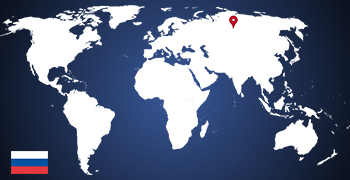
Geographical coverage and key metrics
|
Geographical coverage |
|
Key metrics |
|
Country modelled
Companies discussed in this report
|
|
Pay TV is split by the following access technologies
Streaming video is split as follows
|

The analysis in this report is based on a snapshot of the data available at the time of publication. As DataHub is continuously updated with the latest information, click below to access the newest data associated with this report (access to the pre-loaded results is available to logged-in subscribers only).
Launch DataHubUSD2199
Log in to check if this content is included in your content subscription.
Author